
Always Check the Forecast

Some planning is necessary for any outdoor adventure. There’s always boxes to check: essential gear, water and food for the journey ahead, and appropriate clothing. But often overlooked is one simple, yet critical checklist item: Check the weather forecast.

And weather on the water, in particular, can be unpredictable and dangerous—turning with only a moment’s notice. While the morning sun might be shining on shore, by midday, the scene can change to a completely different set of circumstances, creating unplanned hazards.

The good news? Checking the weather forecast for the day is incredibly easy. Look at your smartphone and see what Mother Nature has in store. It’ll take you 30 seconds. If inclement weather looms on the horizon, it’s best to leave the boat alone, build a toasty fire, pour a yourself a tasty drink, and simply relax. Calmer waters will be there tomorrow. Happy paddling!

Related Content

Royalty-free image - Logo featuring an orange and black life jacket above the text "LEVEL 50 BUOYANCY AID" with stylized waves and bold, modern font on a light background.

Level 50 Buoyancy Aid Education Materials

As boaters begin to prepare for the 4th of July holiday, thousands of law enforcement officers across the United States will be on heightened alert looking for those violating boating under the influence laws. These materials can be customized to reflect the efforts that your agency is making over the Operation Dry Water weekend.

Read More
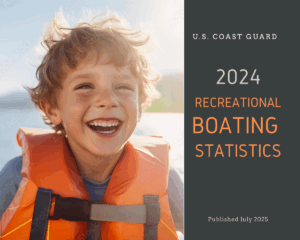
Royalty-free image - A smiling young child wearing an orange life jacket is outdoors near water. Text on the image reads “2024 Recreational Boating Statistics,” published by the U.S. Coast Guard in July 2025.

Recreational Boating Statistics 2024

An annual compilation of recreational boating statistics in the United States, compiled by the U.S. Coast Guard using data supplied by the U.S. states and territories.

Read More

Recreational Boating Statistics 2023

An annual compilation of recreational boating statistics in the United States, compiled by the U.S. Coast Guard using data supplied by the U.S. states and territories.

Read More